Dear friends,
As you all know , I often talk about developments in the future of vehicle mobility. I shared an example last week of how countries, especially those about to enter the era of driverless vehicles, are preparing.
What about the readiness in other countries?
A close friend of mine, Prof.Dr.Ibrahim Kırcova , posted me a news dated August 27, 2019 and signed by Katie Jones dealing exactly with this issue.
This news, published on the Visual Capitalist portal, ranks the top 20 countries in preparation. The top 5 countries in the rankings are; Netherlands, Singapore, USA, Sweden and the UK. They are followed by Germany and Canada. The United Arab Emirates is 8th in sequence. At the bottom are Russia, Mexico and India. Italy has yet to place in the list.
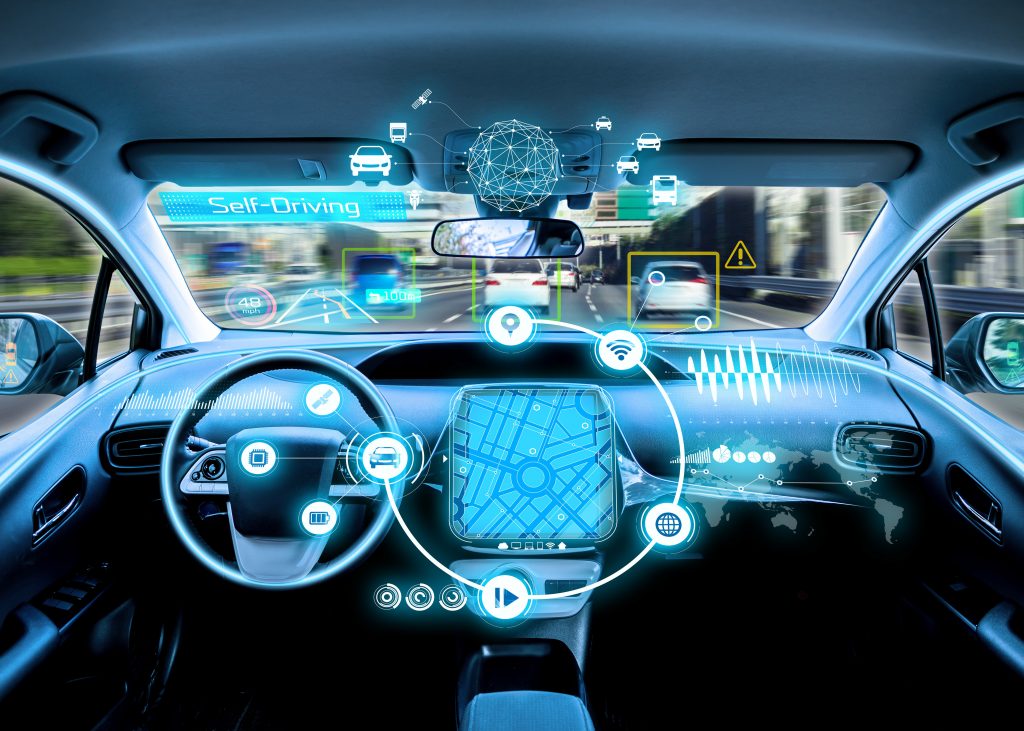
As known, there are 5 levels of driving automation. These are shortly as follows;
Level zero describes a fully driver-controlled vehicle.
1st. level has a single automatic driving assist. Like automatic braking or lane assistance.
2nd level has at least two automatic functions of each vehicle.
3rd level means that the car is able to drive dynamically but needs driver intervention.
4th level means the car can go driverless under certain conditions.
5th levelmeans the car is completely driverless in all circumstances.
Vehicles that are on the roads today have 1st to 3rd level automation in general. Some Tesla models and Google Waymo represent 4th level automation.
The criterias laid in the index of readiness of each country are the economic strength , technological innovation, physical infrastructure, legal environment and customer acceptance that are assessing those 20 countries mentioned above.
In addition to the efforts to make roads suitable for driverless vehicles in more than 50% of U.S. cities, technological innovations led by 163 major organizations are taking the country to the podium.
The Netherlands and Singapore are far ahead on infrastructure, as well as legislations and customer acceptance. Even Singapore has begun testing driverless buses developed by Volvo that will be used on public transport in 2022.
So how will the rollout of driverless cars on the roads affect the country’s economy?
There are interesting figures in this news. Let’s have a quick look;
With the smooth introduction of driverless vehicles, the economy that will be gained for the United States is projected to be $ 1.3 trillion.The breakdown is as follows:
$563 billion by reducing accidents,
$422 billion in productivity gains,
$158 billion with savings from fuel consumption,
$ 138 billion from fuel savings through eliminated traffic congestion,
$11 billion with improving traffic flow
The above figures reveal the size of the economy to be gained
Again, with the launch of driverless vehicles in US by 2030, vehicle ownership is assumed to decrease by 43%. The account of the disruption this would bring in many existing industrial areas has yet to be revealed. But with th.e reduction of accidents, the cost of insurance is certain to fall.
In the same way, long trips with driverless and comfortable vehicles will reduce hotel stays. There will also be alternatives to air flights and train journeys.
Likewise driverless cars will bring rather urban sprawl, reducing people’s desire to reside in the proximity of city centers.
As a result, it seems inevitable that many of the existing industrial areas will disappear as transport systems enter a new Renaissance. Over the next 20 years we will witness a disruptive change. I hope that we will not be away from this change.
PS. You may also follow my articles on motor1.com and otomobilhaber.com.tr
0 Comment
Your Comment Here